

Coffee and Running
Are you a fast or slow metaboliser? How your daily brew affects performance.

I’m a coffee lover. I love the taste. I love the aroma. I love the ritual. I love the reward of a post-run coffee. I occasionally love a coffee before a run.
If you are a coffee drinker, you may want to know if it’s okay to have a pre-run coffee.
The answer is “maybe”. If you enjoy it and don’t suffer any negative side effects then go for it!
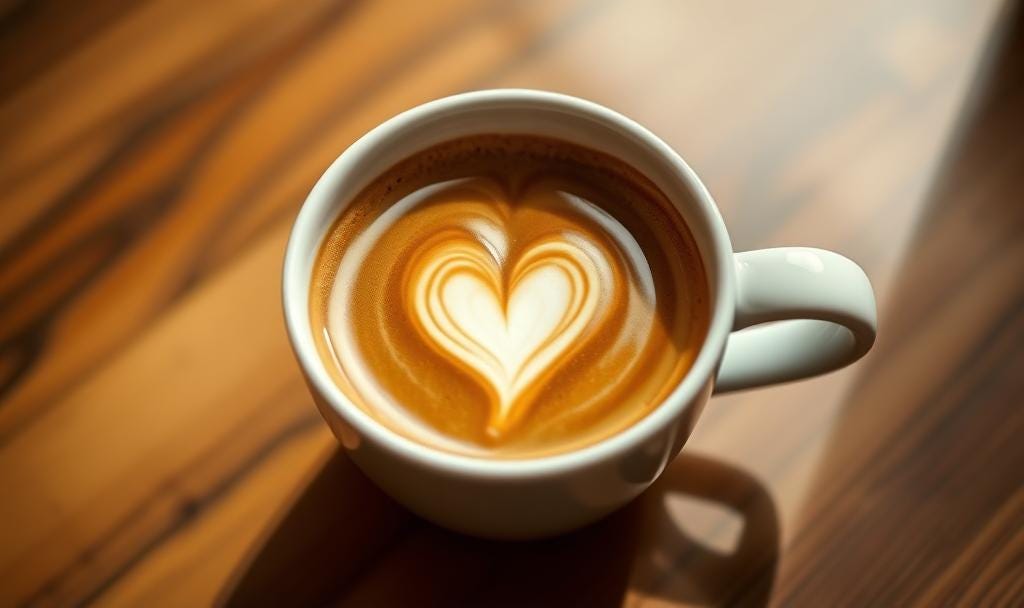
However, caffeine can cause insomnia, anxiety, jitters, and an upset stomach. These may not seem linked to running, but imagine how much better you'd perform with great sleep, calm nerves, and no tummy troubles.
So why are some people fine with a coffee whilst other aren’t?
How we consume, metabolise and respond to caffeine is personalised and related to our genetics and our lifestyle.
You may be a fast or slow caffeine metaboliser.
If you are a Slow Metaboliser - you process caffeine at a slower rate, caffeine has the potential to build up in the bloodstream and caffeine may have longer-lasting stimulant effects and may do more harm than good.
Slow metabolisers may need to limit or avoid caffeine based on their body’s individual response to minimise risk of serious health issues.
If you are a Fast Metaboliser, you process caffeine at a more rapid rate and, so, caffeine might not have as great or as lasting of an effect.
As well as your genetics, your body’s ability to metabolise caffeine also depends on your lifestyle. For example, your diet, stress levels, sleep, or activity level, can impact how you respond to caffeine. How much coffee you drink, the time of day, whether you smoke, or your medication may also play a role.
In other words, it may be your lifestyle and nutrition choices which are affecting how you metabolise caffeine not just your genetics.
Whether you are a fast or slow metaboliser there are a few “lifestyle” things you can do to be a healthy coffee drinker:
Quality Over Quantity – a well-brewed, high-quality coffee is better than multiple mediocre cups. 2 small cups a day is my maximum.
Hydration Matters – moderate coffee consumption has a mild diuretic effect, so balance it with water intake. I always have a glass of water alongside every cup of coffee.
Prioritise Sleep – avoid caffeine after 12 noon to prevent sleep disruption and allow for full recovery.
Set Your Daily Limit – stick to a moderate intake (up to 400 mg of caffeine per day for most adults). Beware! A well known High Street Coffee brand lists its small Americano as containing 185 mg, whilst a large containing 370 mg!
Caffeine’s effects will last for several hours, depending on how quickly or slowly it is metabolised by the body. Caffeine has a half-life of approximately four - five hours. That means amount of time it takes for caffeine to be reduced to half the original amount. So if you've consumed 10 milligrams (mg) of caffeine, after 5 hours, you'll still have 5 mg of caffeine in your body.
Will a pre-run coffee help my training run?
A pre-run coffee won’t make you an elite athlete, but it might make you feel like one.
You may notice increased alertness, caffeine stimulates the central nervous system, helping you feel more awake and focused. Studies show that caffeine can improve endurance, perceived effort and reduce muscle pain, making workouts feel easier.
If you’d like to maximise the performance aspect of your pre-run coffee ideally have it 30–60 minutes before a run.
Over and above your daily cup of coffee you may consider using caffeine based product as a strategic addition to your fuelling plan. Supplement forms of caffeine include gels/chews/bars/shots and energy drinks which have caffeine in them. Do your research and read the labels carefully. The amount of caffeine varies considerably – 100mg up to 300mg – so be careful. Often the products are for a variety of sports so check you’re choosing one designed for a runner.
Caffeine as an ergogenic aid (performance enhancer)
Research shows caffeine can boost muscular endurance, sprinting, and overall performance in both trained and untrained runners. It also enhances focus, vigilance, and reduces perceived effort, so your training may feel easier helping you maintain pace longer.
Caffeine has consistently been shown to improve exercise performance when consumed in doses of 3–6 mg/ kg body mass.
Very high doses of caffeine (e.g. 9 mg/kg) are associated with a high incidence of side-effects and do not seem to be required to elicit an ergogenic effect. You don’t need to over consume for results.
If you are considering supplementing with caffeine products, start with a low amount to begin with and only increase when you can tolerate without negative side effects.
Caffeine’s effects will last for several hours, depending on how quickly or slowly it is metabolised by the body. Caffeine has a half-life of approximately four - five hours. Plan to consume caffeine products only in training sessions before lunchtime so there is a minimum effect on sleep quality later in the day.
I love a FACTOID … if you are an elite athlete you’ll already know this … and if not you can impress your friends with your caffeine small talk!
Caffeine was added to the list of banned substances by the IOC in 1984 and the World Anti-Doping Agency (WADA) in 2000.
A doping offence was defined as having urinary caffeine concentrations exceeding a cut-off value. The cut-off value was chosen to exclude typical amounts ingested as part of common social coffee drinking patterns and it ranged between 12-15 μg/ml urine.
However in IOC and WADA removed the classification of caffeine as a “controlled” substance in 2004, leading to a renewed interest in the use of caffeine by athletes.
Caffeine is still monitored by WADA, and athletes are encouraged to maintain a urine caffeine concentration (below the limit of 12 μg/ml urine) which corresponds to 10 mg/kg body mass orally ingested over several hours, and which is more than triple the intake reported to enhance performance.
☕ Coffee, Caffeine & Running: The Do’s and Don’ts
✅ Do: Enjoy your pre-run coffee—if it works for you.
❌ Don’t: Assume more caffeine means more speed. You’re a runner, not a rocket.
✅ Do: Time it right—30–60 minutes pre-run for best results.
❌ Don’t: Down a double shot and expect instant superpowers—good things (and caffeine) take time to kick in!
✅ Do: Know your metabolism—fast or slow, caffeine affects everyone differently.
❌ Don’t: Ignore your sleep. A 10 PM double espresso won’t help you crush tomorrow’s tempo run.
✅ Do: Hydrate! Coffee isn’t a substitute for water (sadly).
❌ Don’t: Overdo it—too much caffeine leads to jitters, tummy troubles, and questionable race decisions.
Related Posts:
I’ve grouped coffee, alcohol and chocolate together as sometimes we reach for them for comfort eating/drinking. A little in moderation is fine but too much may affect mood, sleep, running perfomance and body composition.

